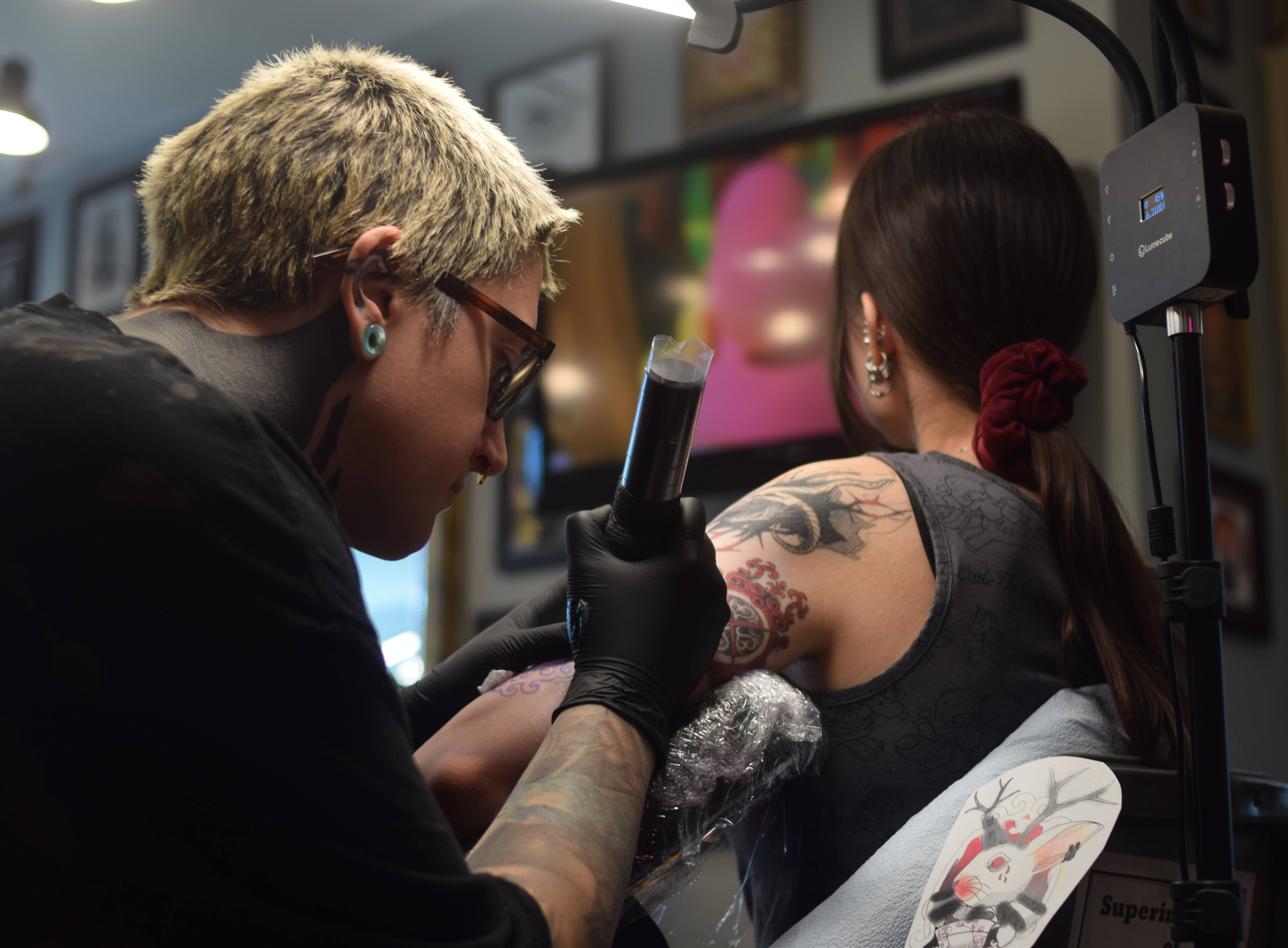

Rhythmic tapping of stone hammers on tools crafted from bones and shark teeth covered in an oily black mix of fish oil and soot to create ta moko. The Maori ritual of carving designs into the skin to represent ancestry, has evolved from warriors to sailors to criminals to everyone. In a large well lit room, walls covered in paintings and renderings of pieces that never touched skin, a consistent low buzz pulses. A grouping of sterile ink filled needles rapidly push into the skin of a client. The needles rapidly insert the pigment to the base layer of skin. Deep black lines are filled with color to make the vision of client and artist come to life.
Tattooing has been a human practice for thousands of years, with the origins of the body modification being unclear. Currently tattoos are mostly accepted culturally. Gone are the days of tattoos adorning only criminals and sailors. Teachers, mothers and young people today have embraced body modification and elected to hold pieces of art with them forever.
Donning their black nitrile gloves Rizzie D’Alterio shaves the client’s skin, cleans it with rubbing alcohol then applies a primer for the stencil. This has been the life for the past 14 years of D’Alterio’s career. D’Alterio shows no sign of burn out or lack of enjoyment. While they apply the stencil for the tattoo D’Alterio doesn’t shy away from making jokes or embracing a goofy position. After several tries at getting the stencil size and positioning perfect D’Alterio draws on their glove a smiley face in the stencil primer and takes an extremely wide stance to get the stencil just right. D’Alterio still reflects on their journey as an artist and how their style has shifted over the years.
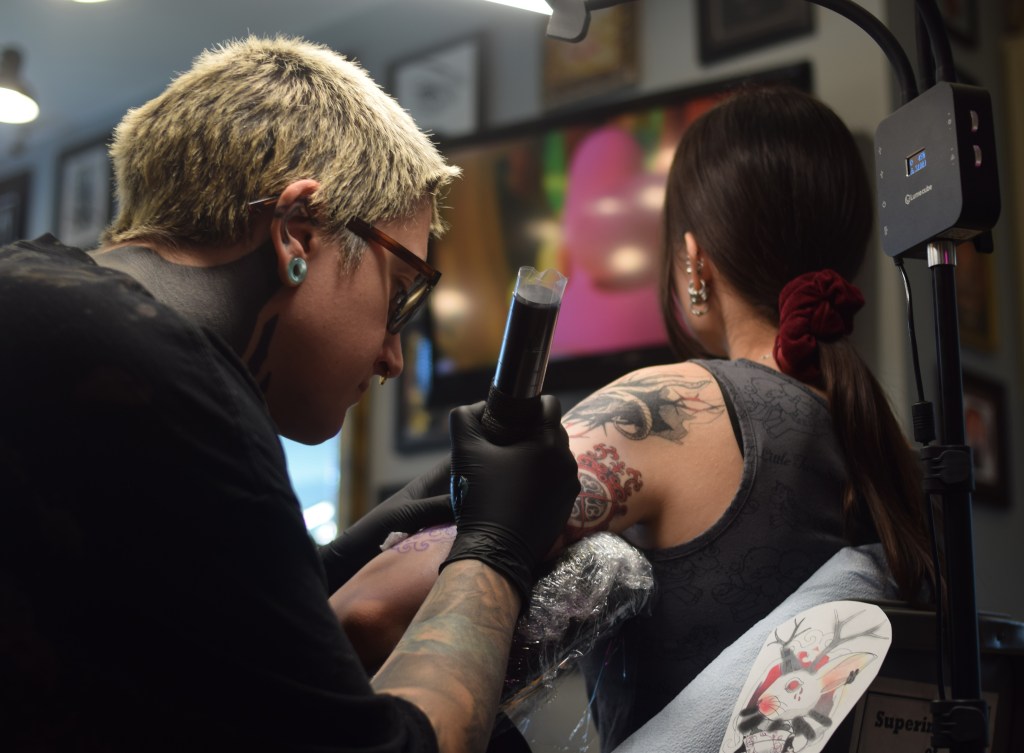
“In the past I feel like I was still trying to find myself,” D’Alterio said, “and I feel closer to that now than I ever was.”
The past few years have been a welcomed change of setting for D’Alterio. They moved from the traditional street shop accepting walk-in clients and a looming authority. Now D’Alterio tattoos out of a private studio in Cranford New Jersey, Lost and Found Tattoo Studio.
“I just wanted a safe space to create my art without the pressures of authority,” D’Alterio said, “I don’t like authority.”
The safe space for artistic expression comes from Ali Mennor, a near 20 year veteran of the tattoo industry. Starting in 2007 Mennor worked in the typical shops for 10 years before opening her private studio in her childhood home. Mennor went the route of opening a studio rather than a traditional shop to cut back on distractions and chaos. Despite being the owner of the shop Mennor does not act as an authority figure allowing her guest artists to thrive in the space. The small group of guest artists and Mennor’s husband makes it hard for Mennor to go home to the second floor.
“I like having a safe space, but I end up working more since I love being around the little family we made here.” Mennor said.
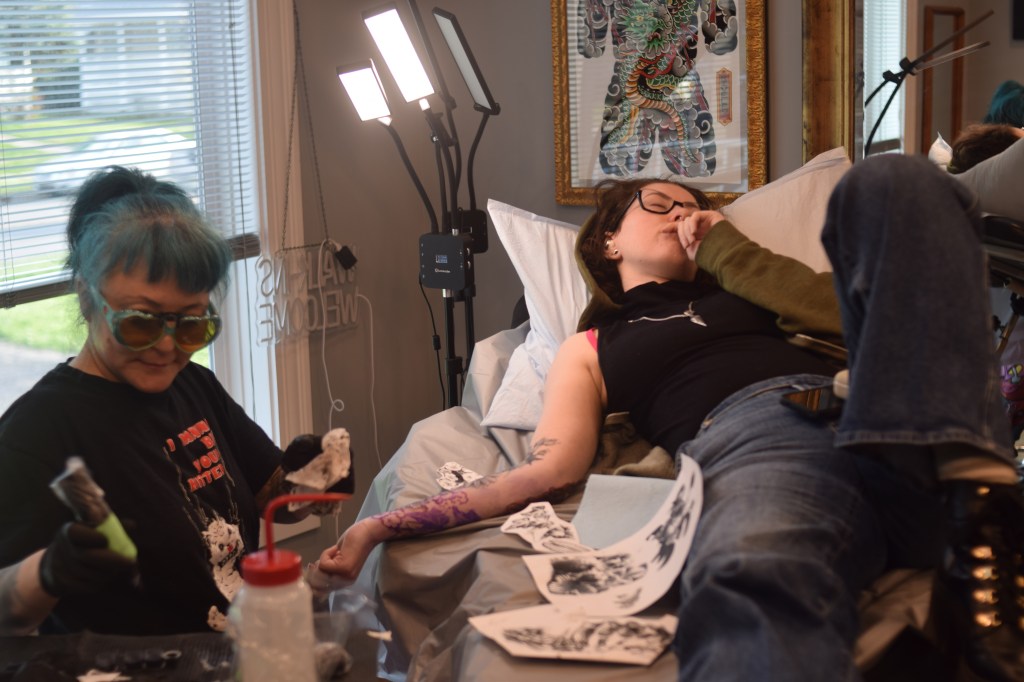
In their time guesting at Lost and Found Tattoo Studio D’Alterio’s style has shifted greatly. Primarily doing tattoos known as stickers, colorful well outlined tattoos that look as if a sticker was placed on the skin. D’Alterio has shifted to a style known as blackwork. Rather than black lines, color and shading used to create a particular image blackwork uses mostly just heavy black ink and negative space to create patterns and images. D’Alterio’s style is focused on using the ink to flow along the body.
“I always wanted to find a way to have things flow, like make the person’s body like one,” D’Alterio said.
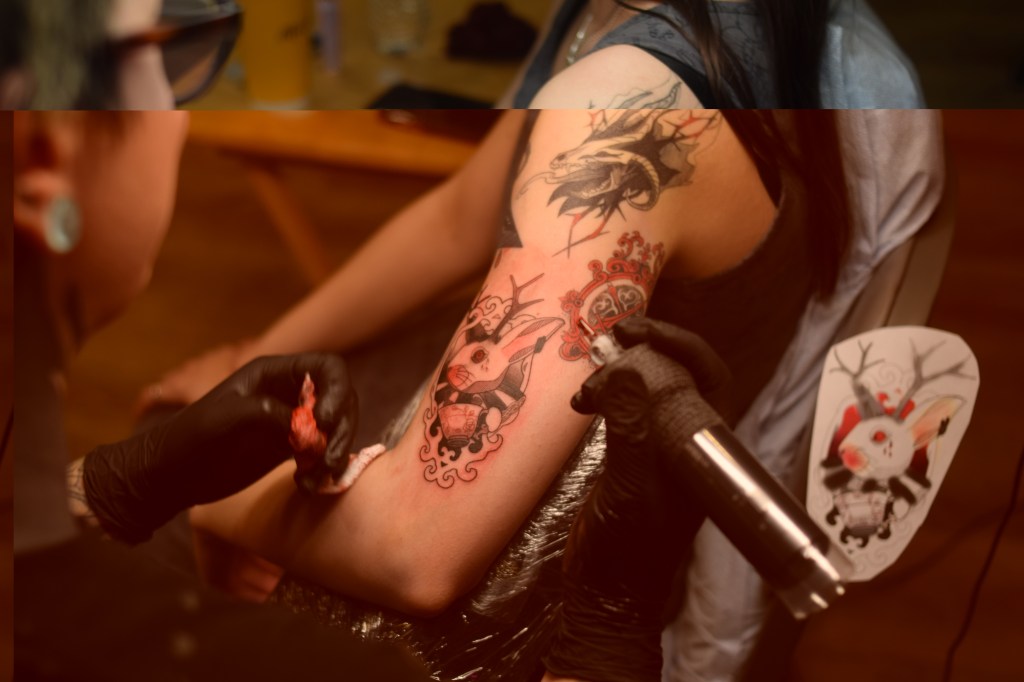
While their style has shifted in a more individualistic avant garde method, D’Alterio still does the more sticker-like tattoos. Strange imagery is more common for D’Alterio using only black and red ink, they create a tattoo of a jackalope. A surreal portrait of a mythical creature holding a teacup slowly comes together on the arm of their client.
As the ink sets and the skin swells, D’Alterio cleans the tattoo and wraps it in saniderm, a breathable waterproof bandage worn for several days. The client leaves the studio forever changed. Alone in silence for a moment, D’Alterio begins cleaning their station. Ink and blood mix in a rinse cup then soaked into paper towels for safe disposal. The needles used are placed in a sharps container marked biohazard. A thin mist of alcohol coats the chair, tray and machine D’Alterio used. Surgically they clean to ensure the next client is safe from any infection. All the plastic wrap, ink caps and paper towels make it to the trash can. After another successful session D’Alterio takes a breath and removes their black nitrile gloves.
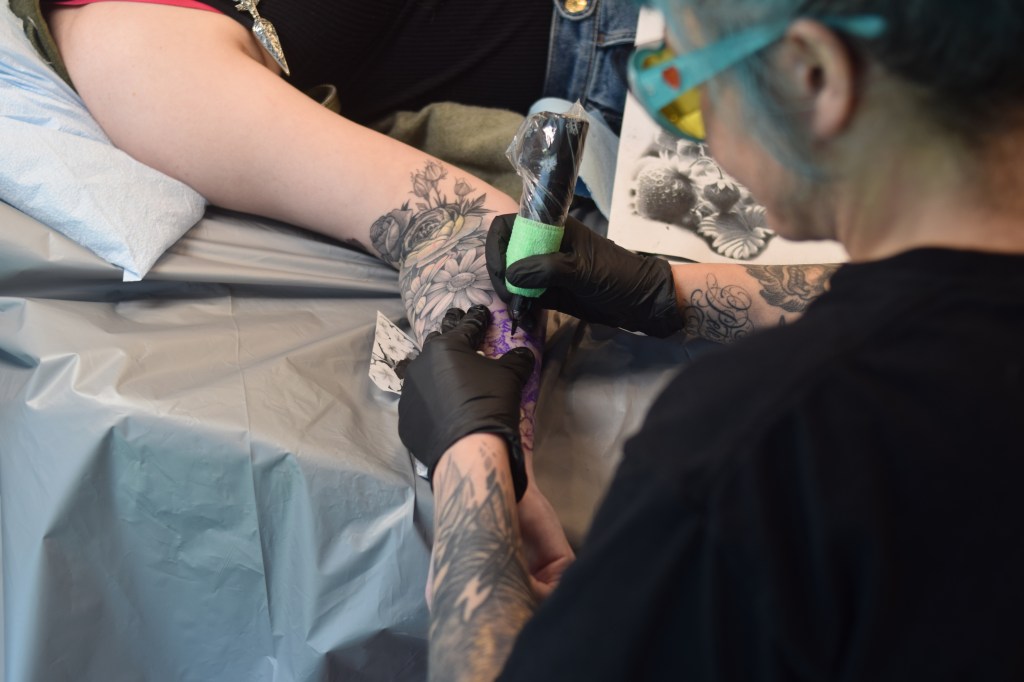
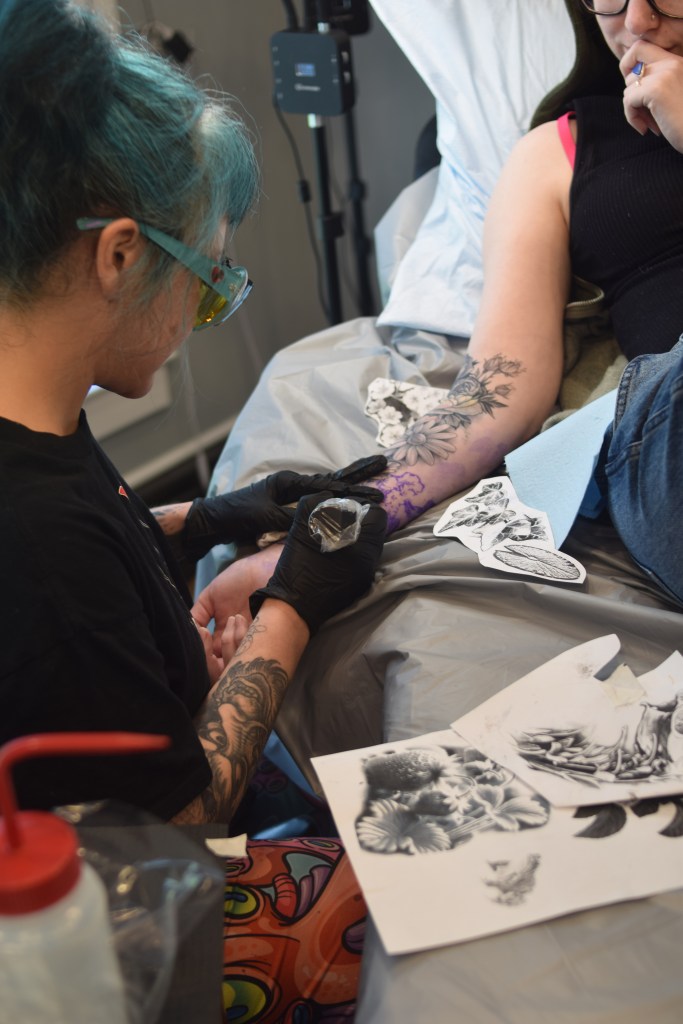
CRANFORD NJ 04/10/2026, PAIN: Tattoo Artist Ali Mennor works on client Rowan Victoria on April 10, 2026 in Cranford New Jersey. Photo by Holden Holland. 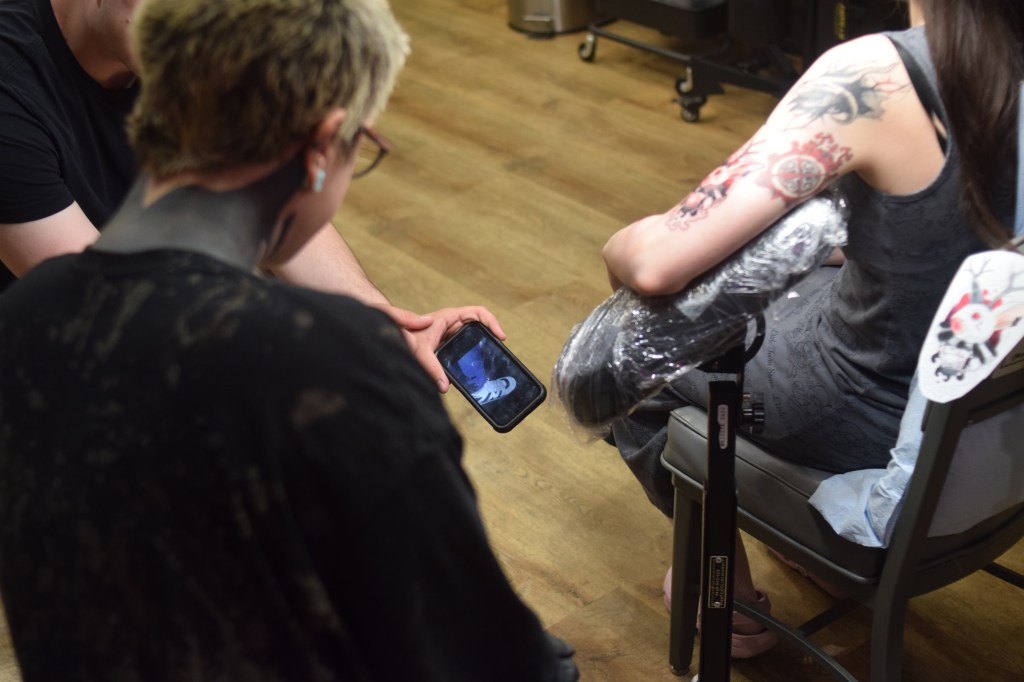
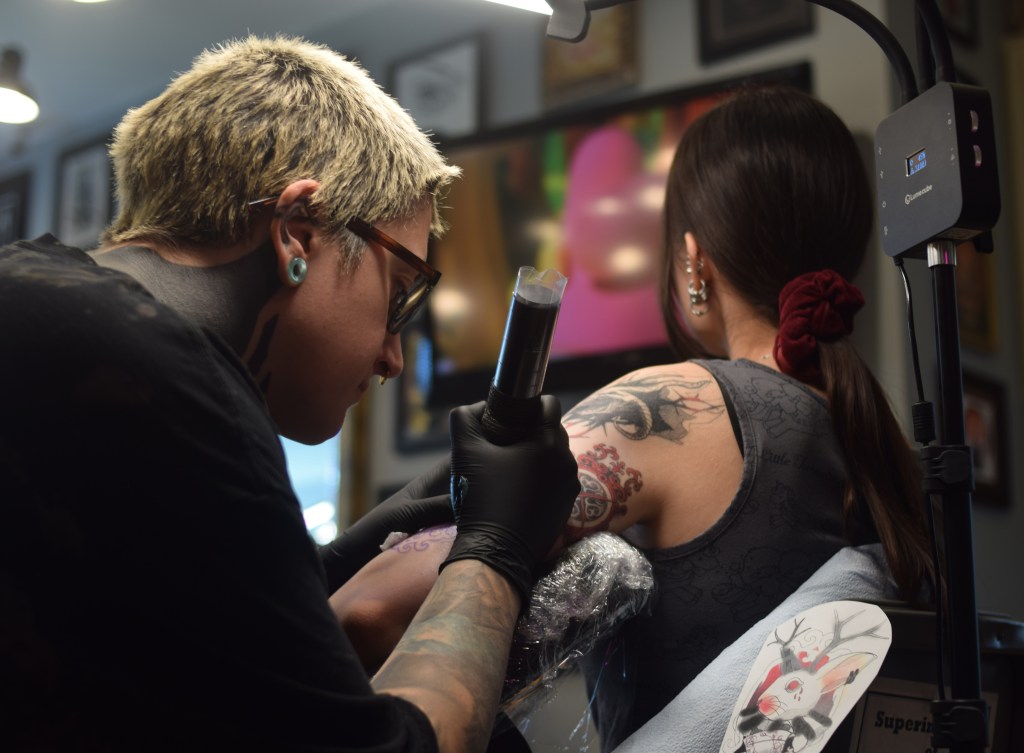
CRANFORD NJ, 04/10/2026 LOW ANGLE: Tattoo Artist Rizzie D’Alterio tattooing their client on April 10, 2026. Photo by Holden Holland. 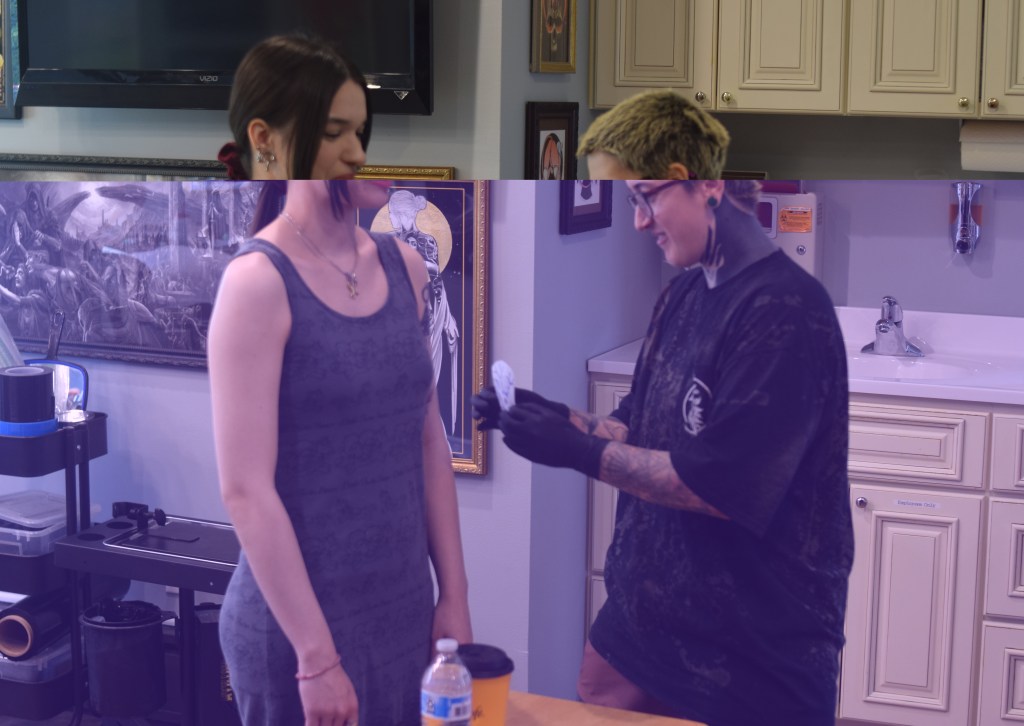
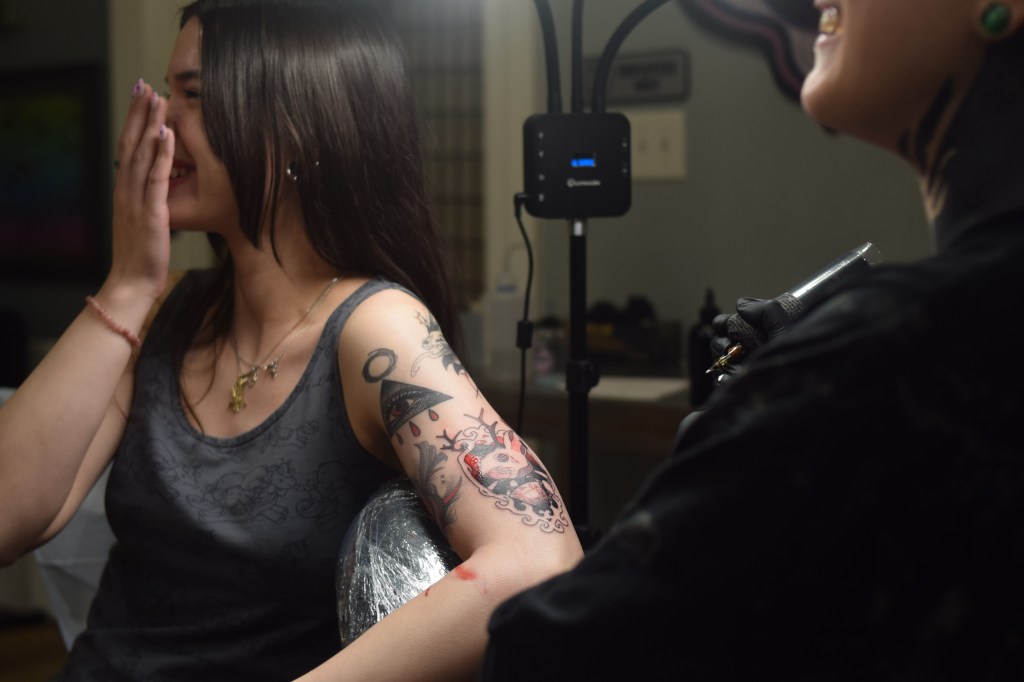
Rizzie and their client laugh during their session at Lost and Found Tattoo Studio in Cranford New Jersey on April 10 2026. Photo by Holden Holland 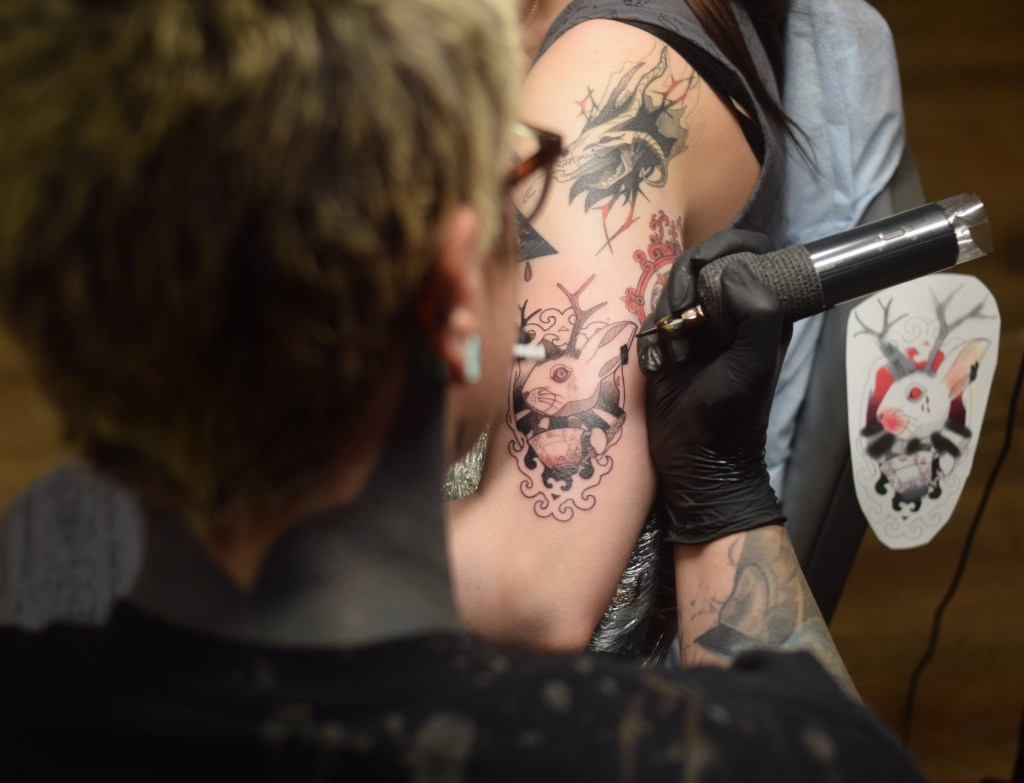
CRANFORD NJ, 04/10/2026 TATTOO OVER THE SHOULDER: Tattoo Artist Rizzie D’Alterio tattooing their client on April 10, 2026. Photo by Holden Holland. 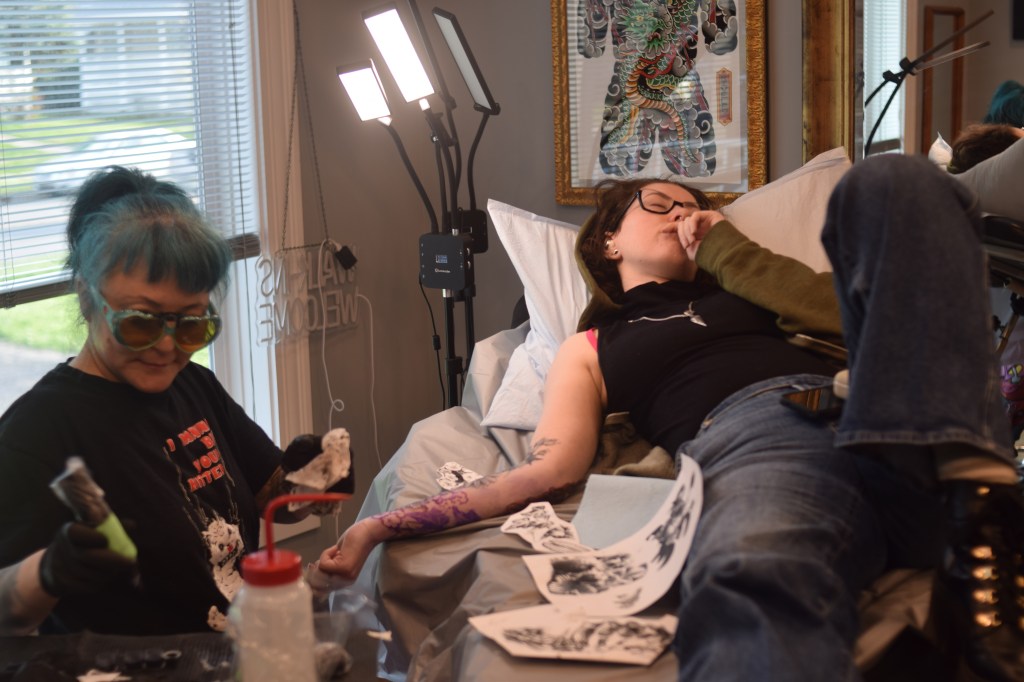
CRANFORD NJ 04/10/2026, PAIN: Tattoo Artist Ali Mennor works on client Rowan Victoria on April 10, 2026 in Cranford New Jersey. Photo by Holden Holland. 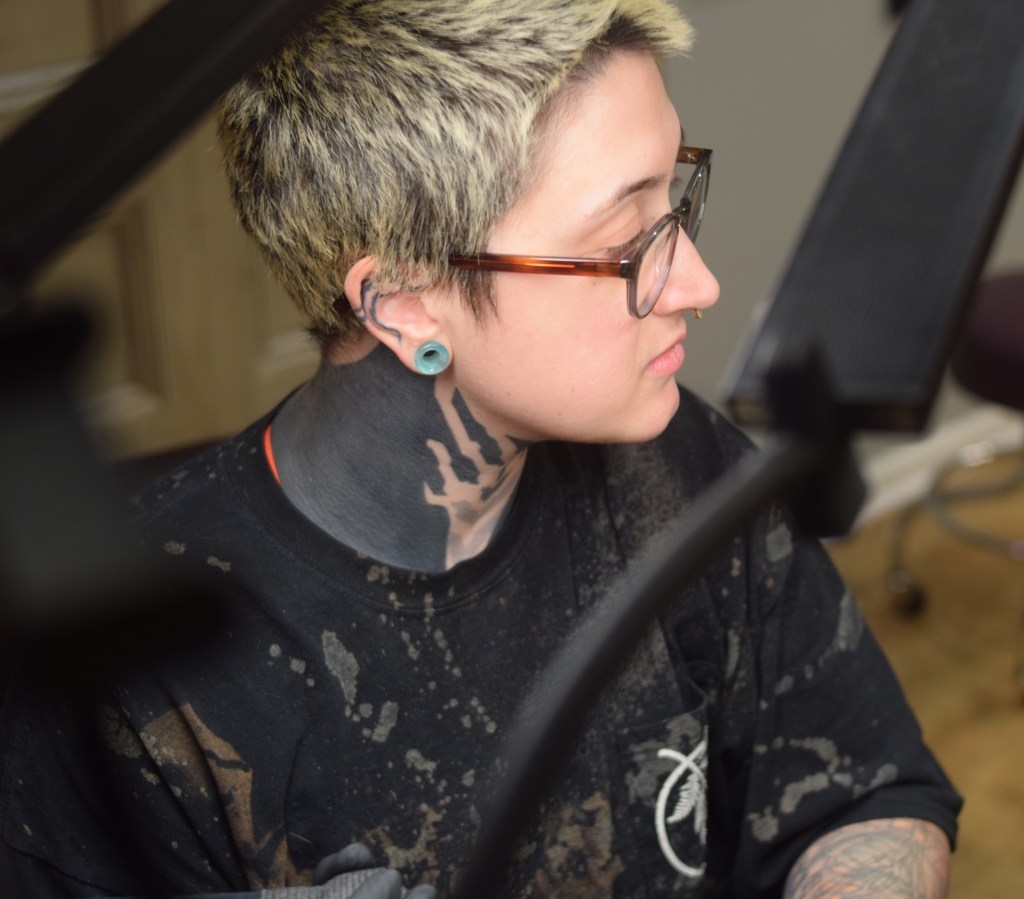
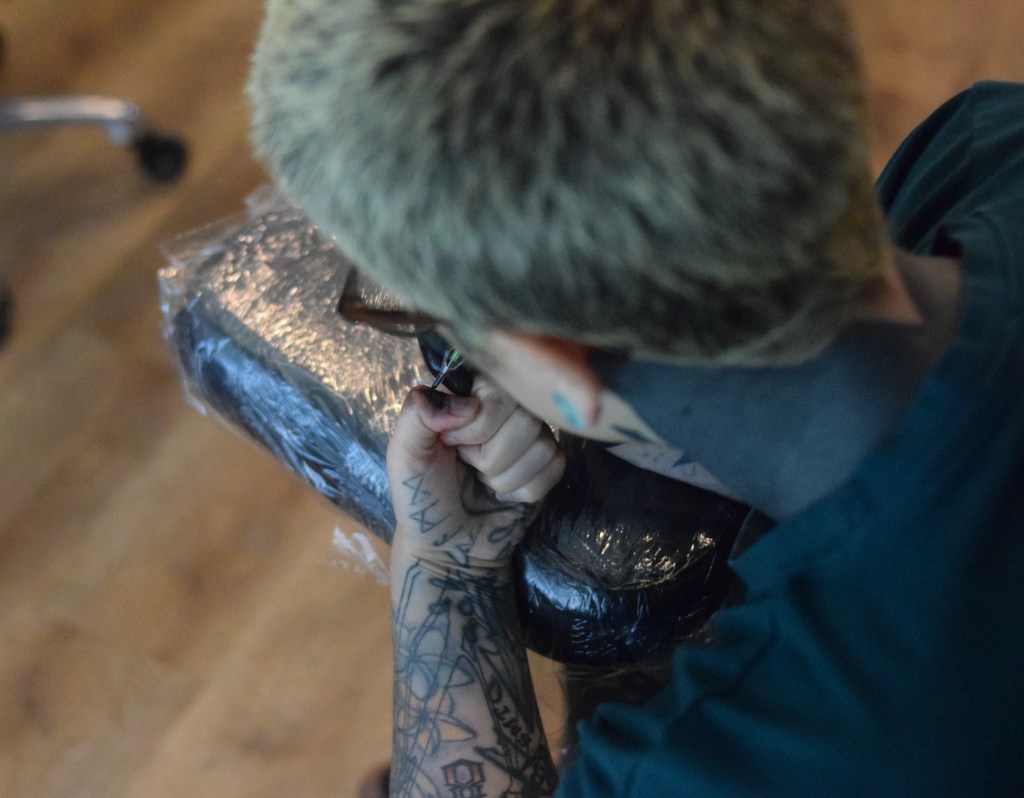
CRANFORD NJ, 04/10/2026 SELF TATTOO: Tattoo Artist Rizzie D’Alterio tattooing themself on April 7, 2026. Photo by Holden Holland. 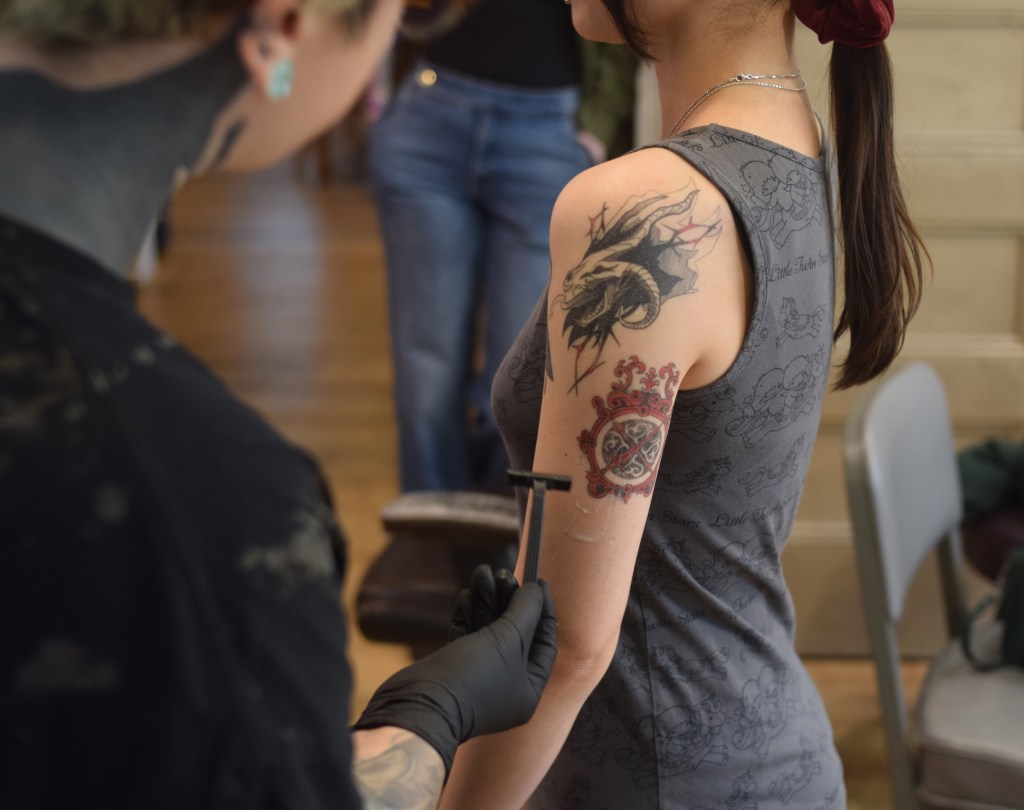
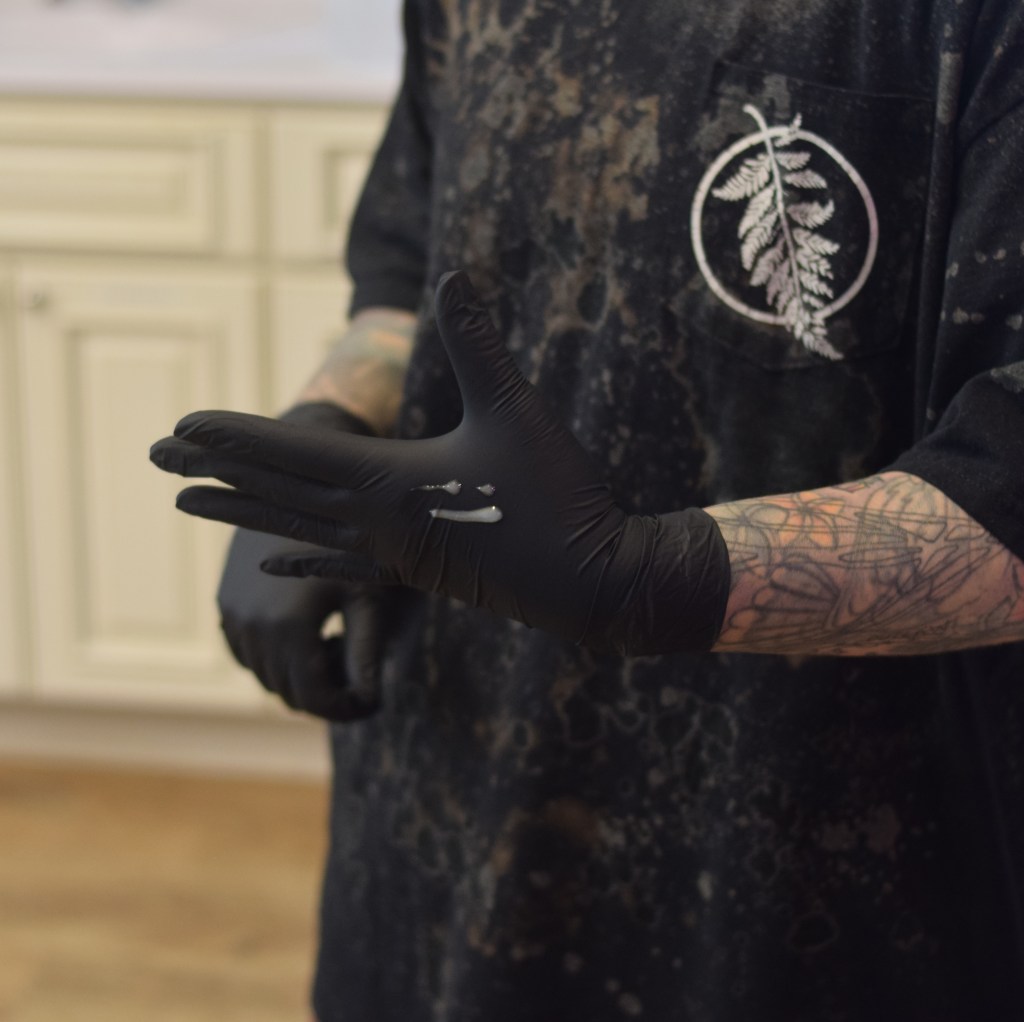
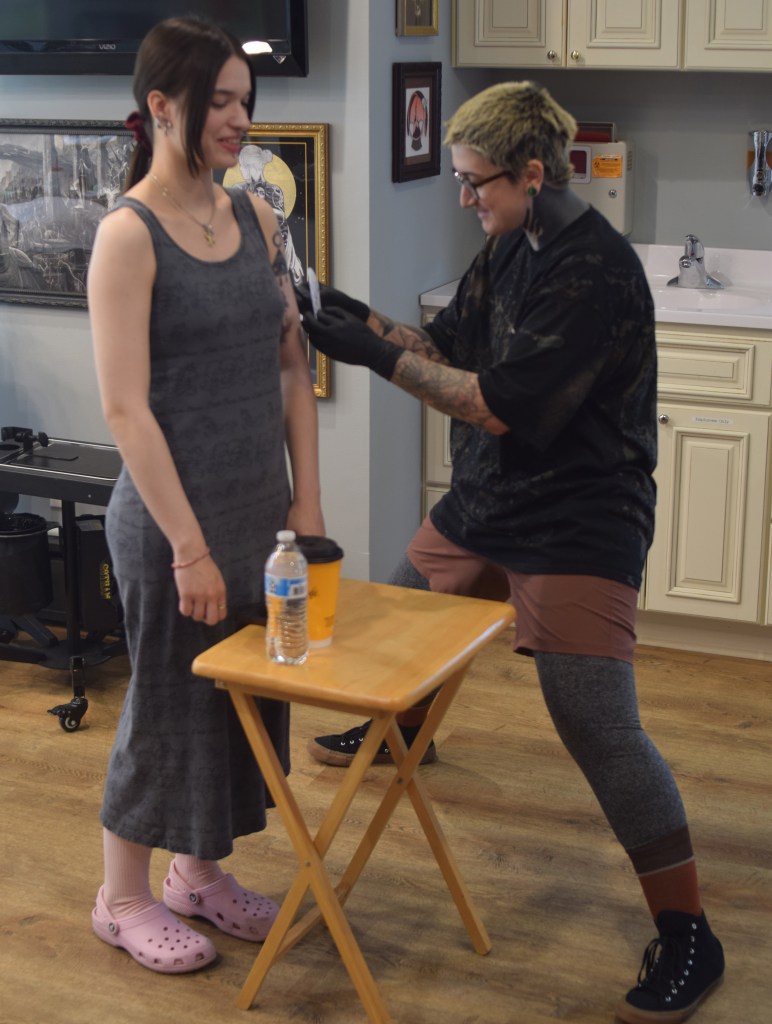
CRANFORD NJ 04/10/2026 WIDE STANCE: Tattoo artisit Rizzie D’Alterio takes a wide stance to apply a tattoo stencil. Photo by Holden Holland
 Holden Holland